
Services
Services

Common Model
Services
Industries
Industries
Resources
Resources
About us
About us
Contact Us
Get Started Today
From upstream decisions to downstream delivery — enable end-to-end visibility, smarter commercial decisions, and seamless optimization across your entire LNG portfolio.
Accelerate safe, reliable LNG operations—from commissioning and LNG to steady-state performance—by unifying asset context, real-time visibility, and analytics across plant systems.
Role-based dashboards and surveillance screens built on a consistent asset model to improve situational awareness across trains, utilities, and loading operations—reducing time to detect and respond.
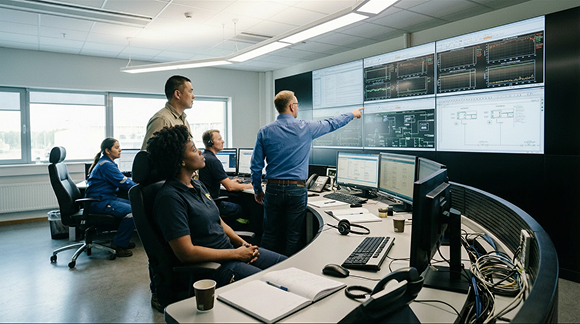
Role-based dashboards and surveillance views built on a unified asset context, providing real-time visibility across process units, utilities, and loading operations—helping operators detect issues earlier and respond faster.

Event-based and rate-of-change analytics that surface early warning signals during high-risk operations (e.g., cooldown and startups), supporting safer execution and fewer unplanned disruptions.
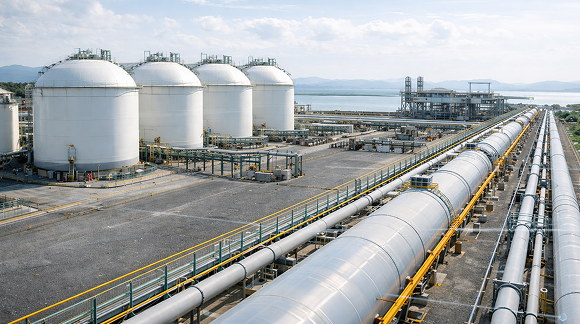
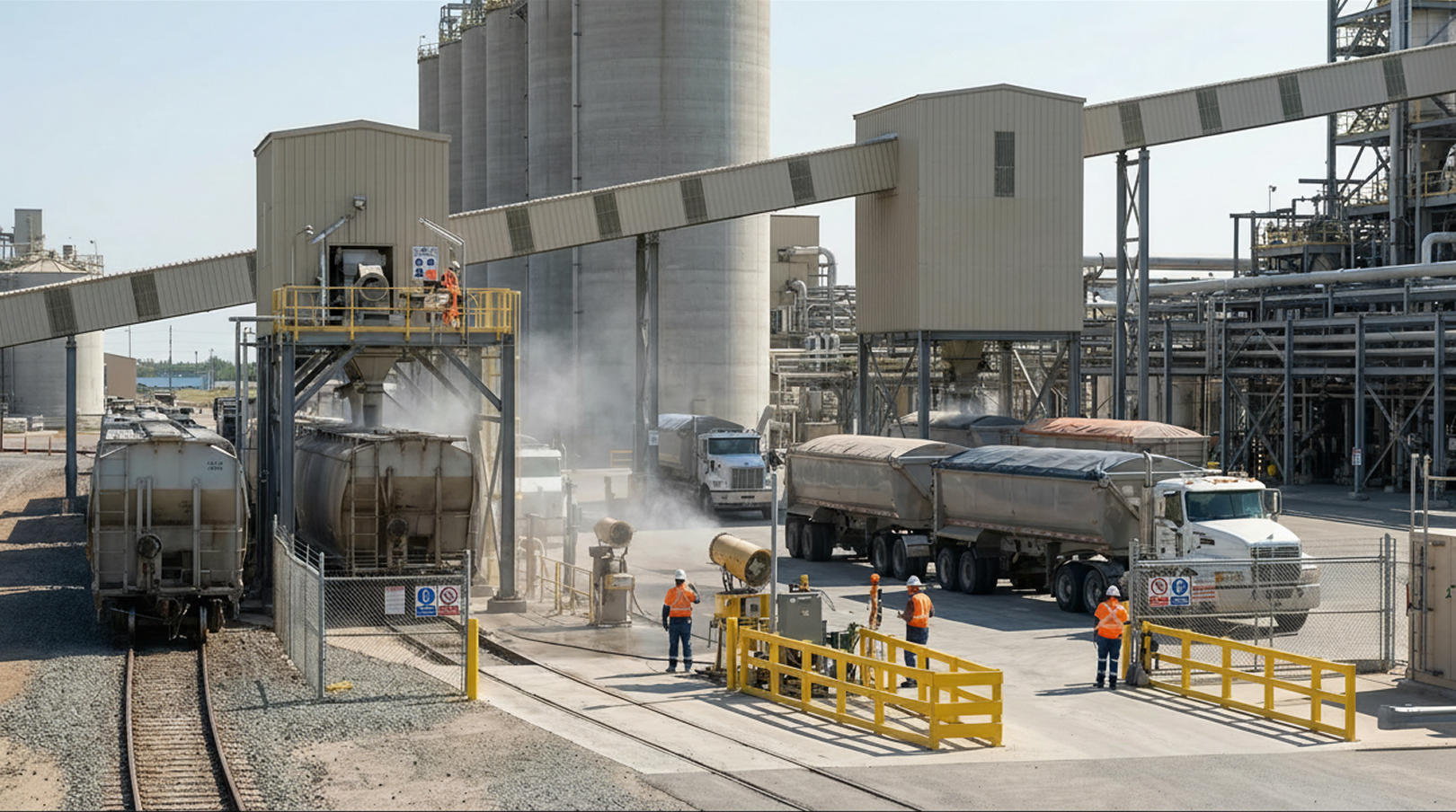
BKOAI built PI Vision surveillance dashboards to monitor raw material storage and loading/unloading in real time, including key inventory levels, transfer rates, and equipment status. Standardized views improved operator visibility during receiving, transfer, and staging activities and reduced the risk of handling and routing errors.
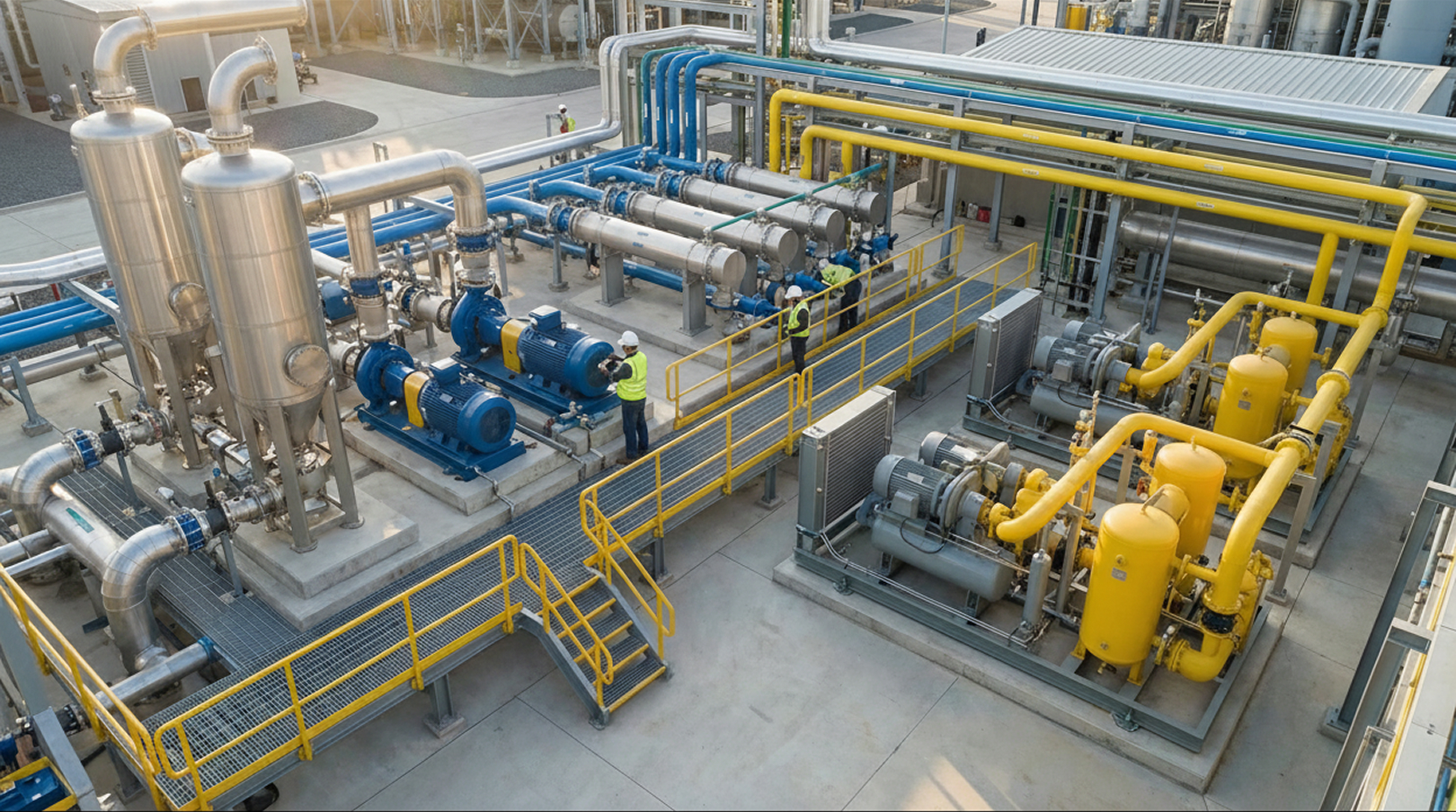
BKOAI deployed PI Vision dashboards for real-time monitoring of LNG facility utility systems, configuring consistent displays for critical operational parameters, control system values, equipment status, and alarms to support operations and engineering across the site footprint. PI AF Event Frames captured downtime, runtime, and operating cycles, while engineering calculations generated KPIs, improved alarm management visibility, and delivered actionable insights across utilities such as air systems, auxiliary boilers, deaerators, nitrogen, steam, and chemical dosing.
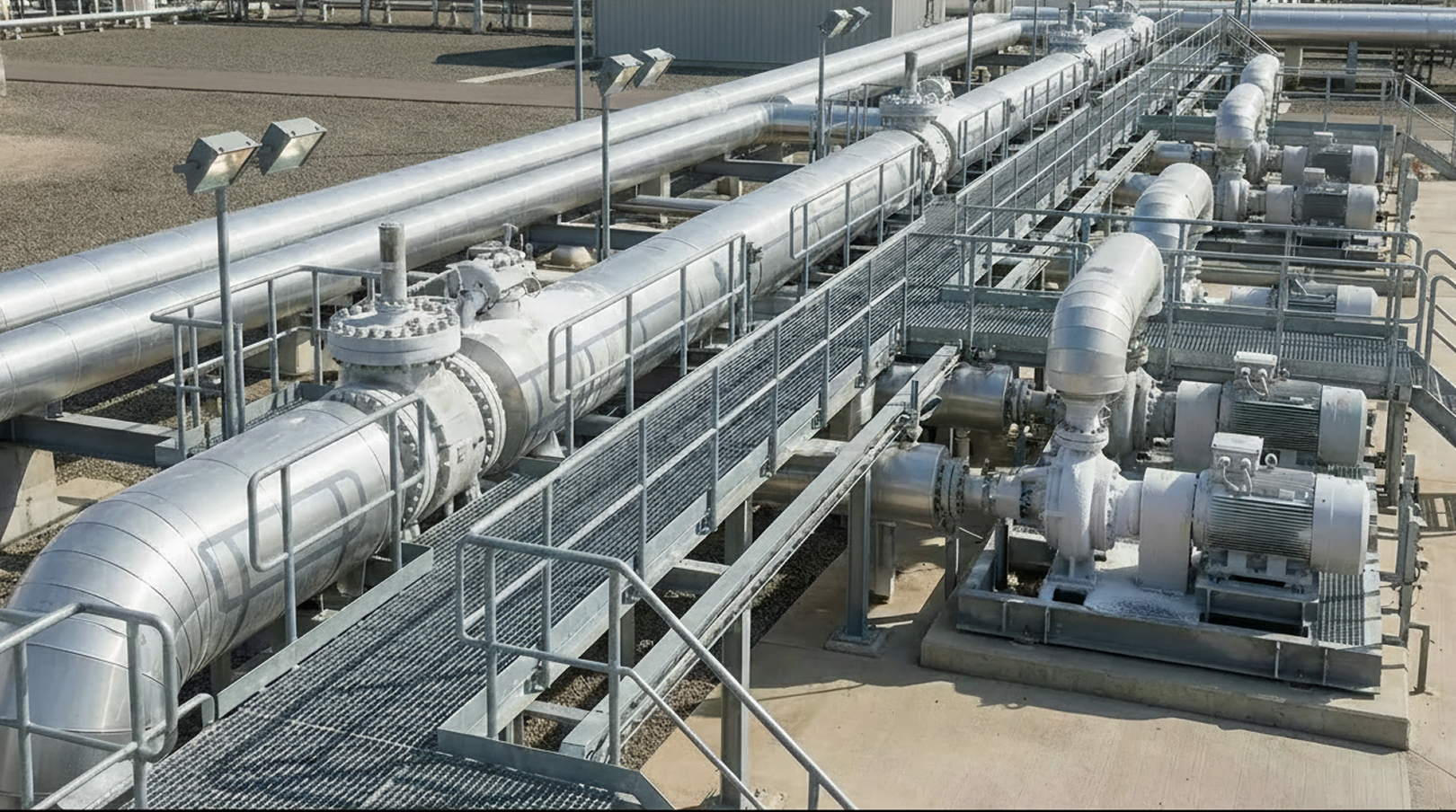
BKOAI delivered PI Vision surveillance dashboards for the full warm-end system, integrating essential information—key process parameters, control values, equipment status, and alarms—into a consistent operator surveillance view across warm-end units. PI AF Event Frames and engineering calculations tracked downtime and runtime accurately and provided critical performance context across Acid Gas Removal, Dehydration, Heavy Hydrocarbon Removal, and the Stabilizer for both operations and engineering teams.
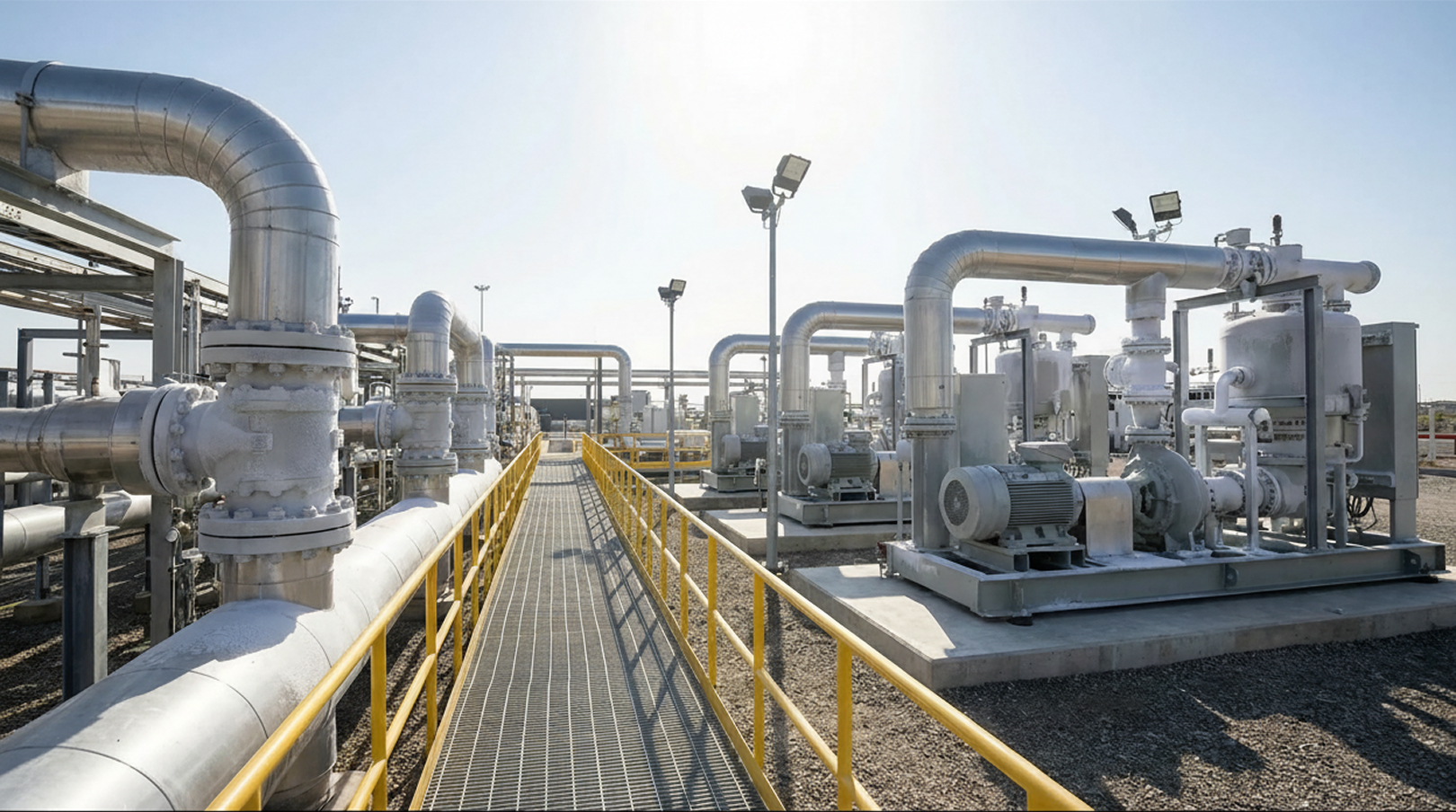
BKOAI delivered PI Vision surveillance dashboards for cold-end and cryogenic systems, providing real-time visibility into critical temperatures, pressures, flows, equipment status, and alarms. Earlier detection of abnormal conditions supported safer cooldown and liquefaction operations and improved operator response.
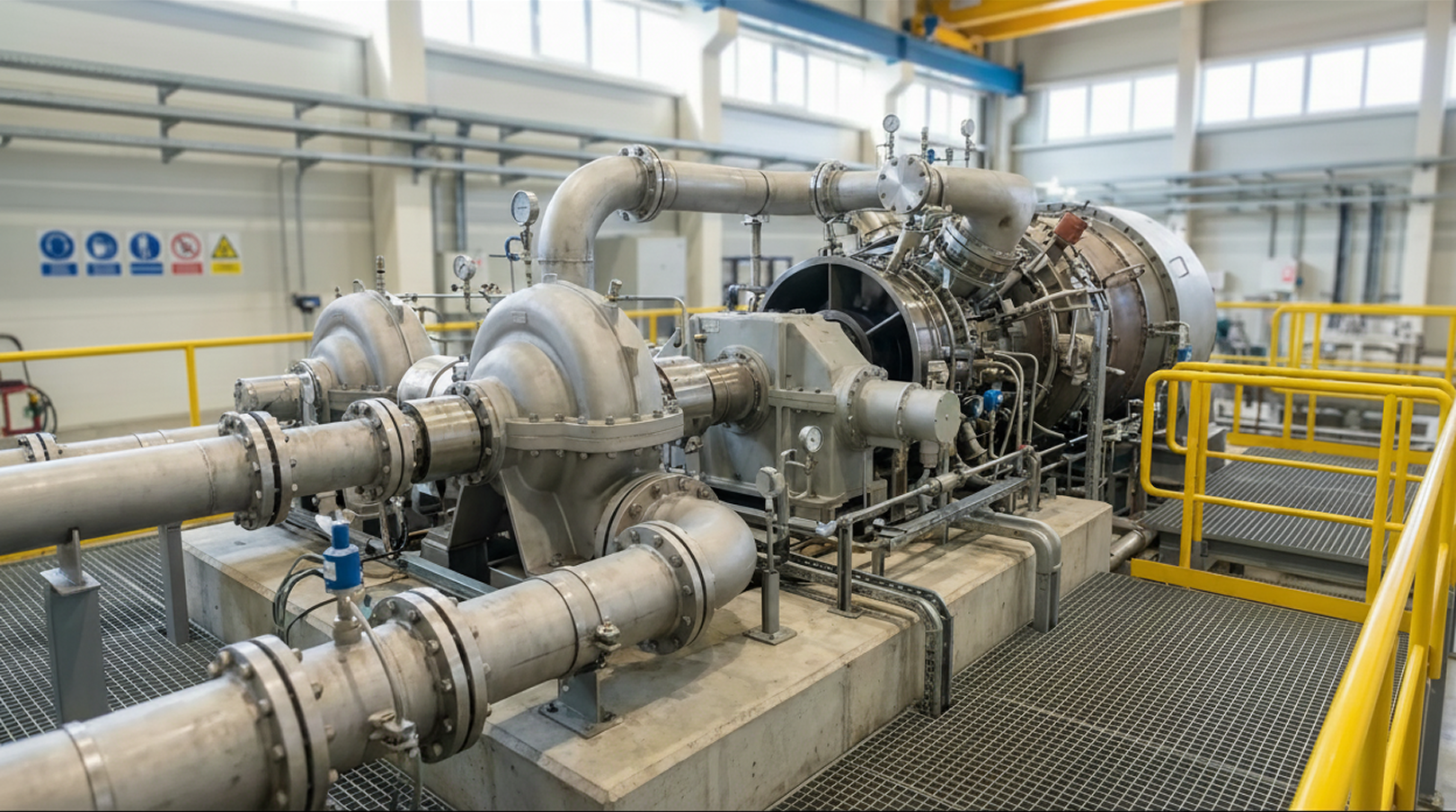
BKOAI designed PI Vision screens using P&IDs to accurately represent rotating-equipment process flow, including key operating conditions, status, and alarms. Real-time visualization of equipment health and process conditions improved situational awareness, reduced downtime, and enabled faster troubleshooting.
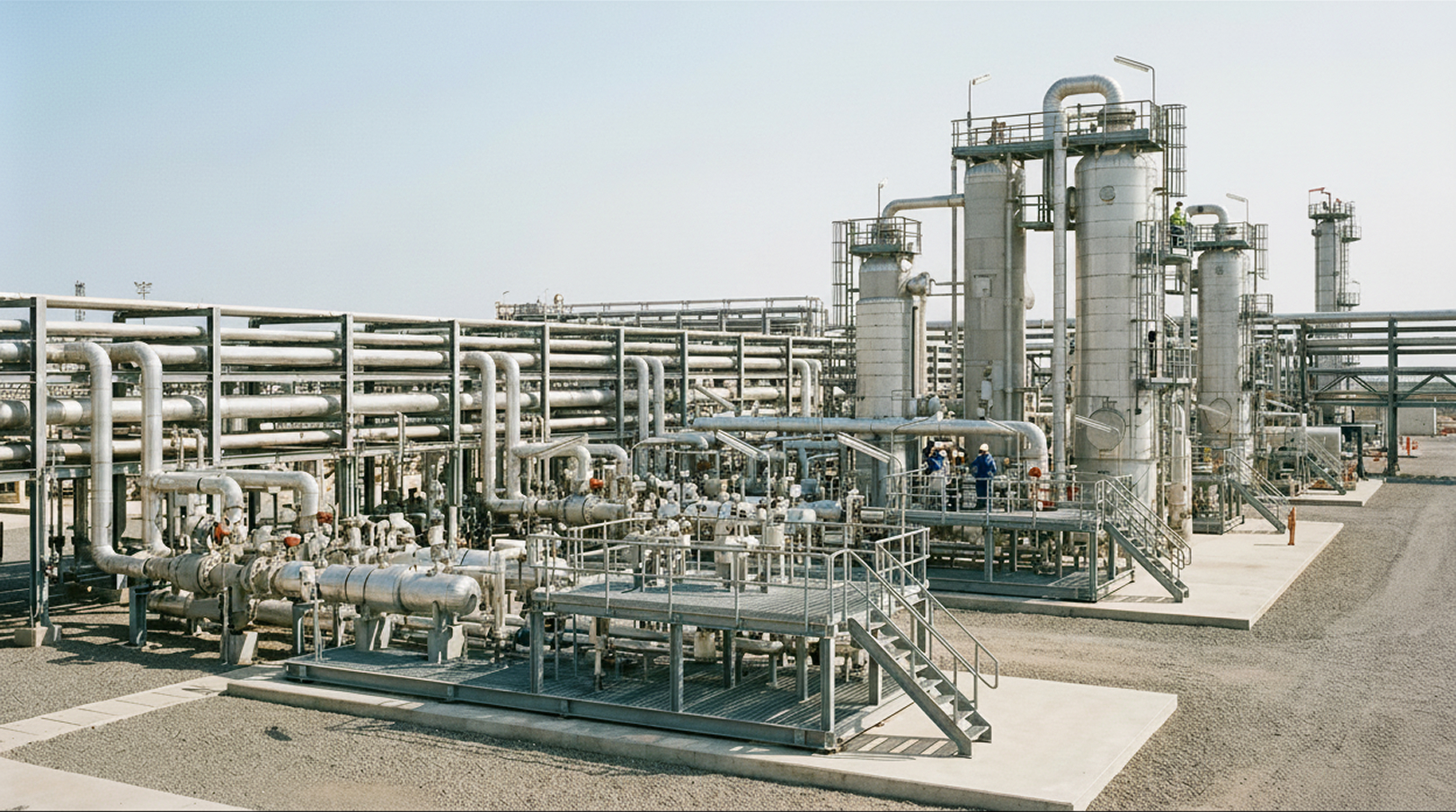
BKOAI implemented a PI Vision monitoring suite for site power generation and distribution, tracking electrical load, equipment status, and key alarms in real time. This improved power reliability, enabled faster troubleshooting during upsets, and reduced the risk of disruptions to critical LNG systems.


BKOAI performed rigorous data quality validation to ensure plant datasets are accurate, complete, and actionable.


Using PI Asset Framework, BKOAI organizes thousands of tags into a structured asset hierarchy for easy access and reuse.
.svg)

BKOAI created a centralized alarm registry and synchronized SIS tags across engineering and operational systems to ensure data consistency and integrity.

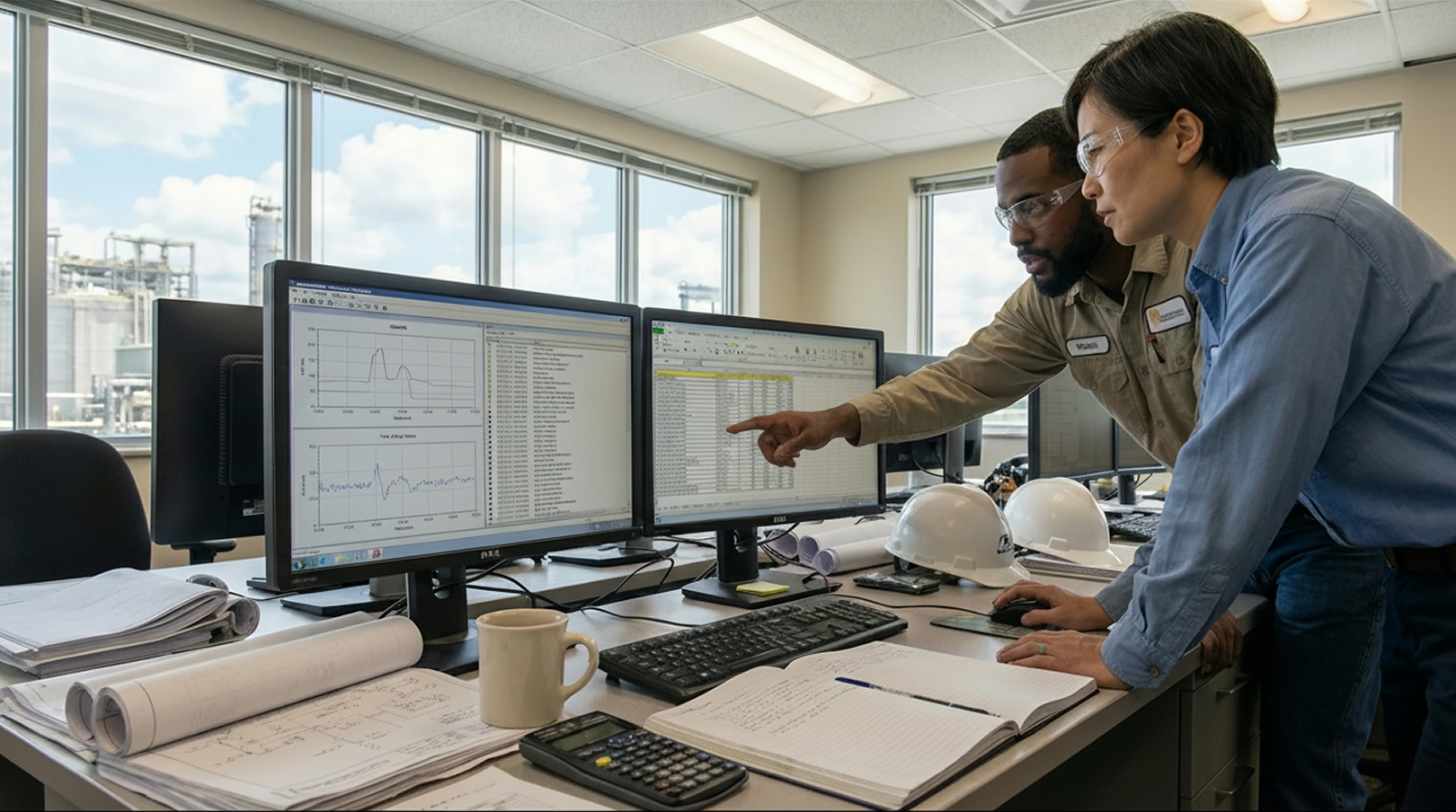
BKOAI used PI AF Event Frames and Notifications to pinpoint key plant events and proactively notify engineers of critical conditions. Event-based context made it easier to understand what happened, when it happened, and how long it lasted—supporting faster response and reduced operational risk.
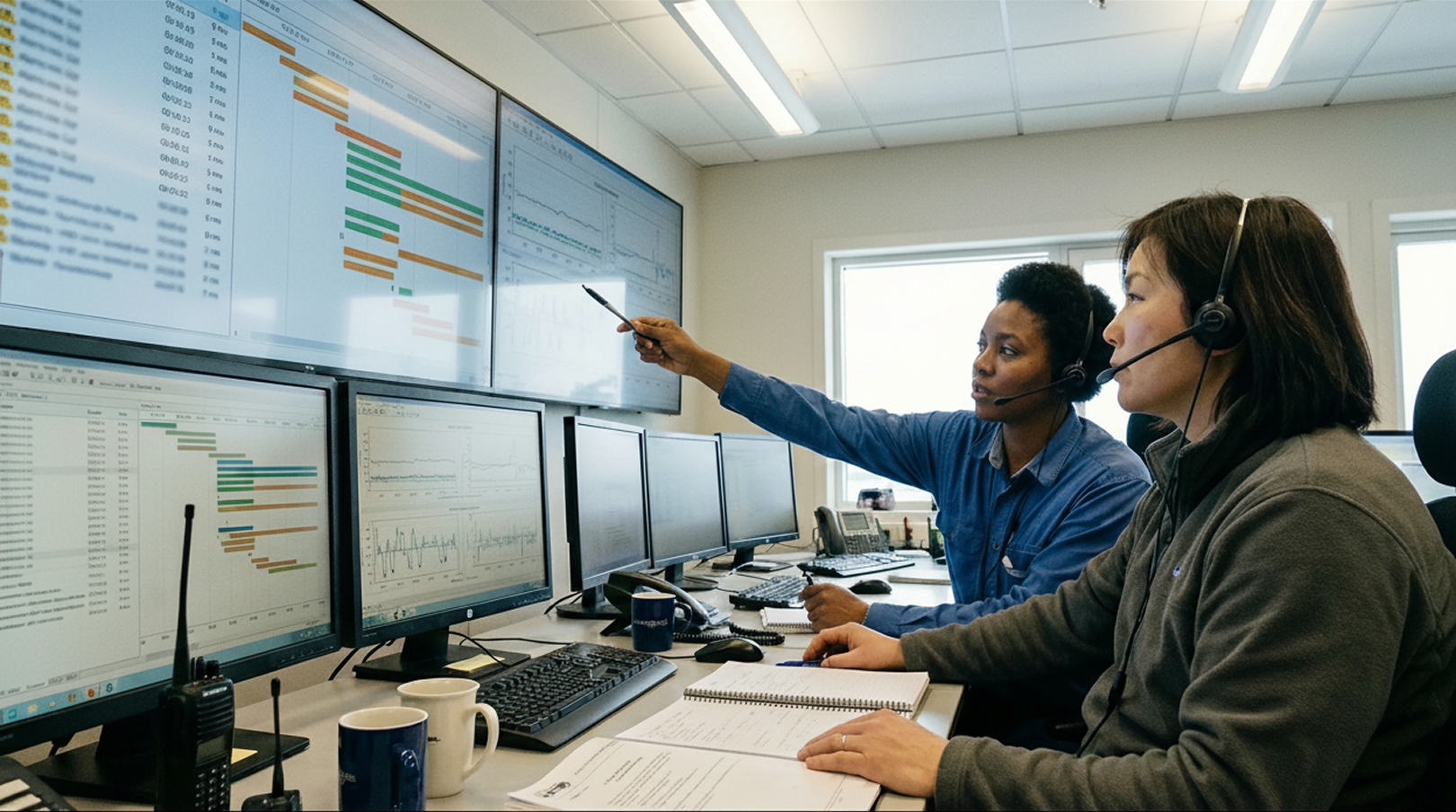
BKOAI used PI AF Event Frames to pinpoint key plant events, including downtime periods and alarm durations. Event-based context made it easier to track what happened, when it happened, and how long it lasted

BKOAI created facility layouts to map Fire & Gas detector locations across the site, allowing engineers to quickly identify the detector associated with an event. This enables faster dispatch of response teams to the correct area and significantly reduces hazardous consequences from fire or gas releases.
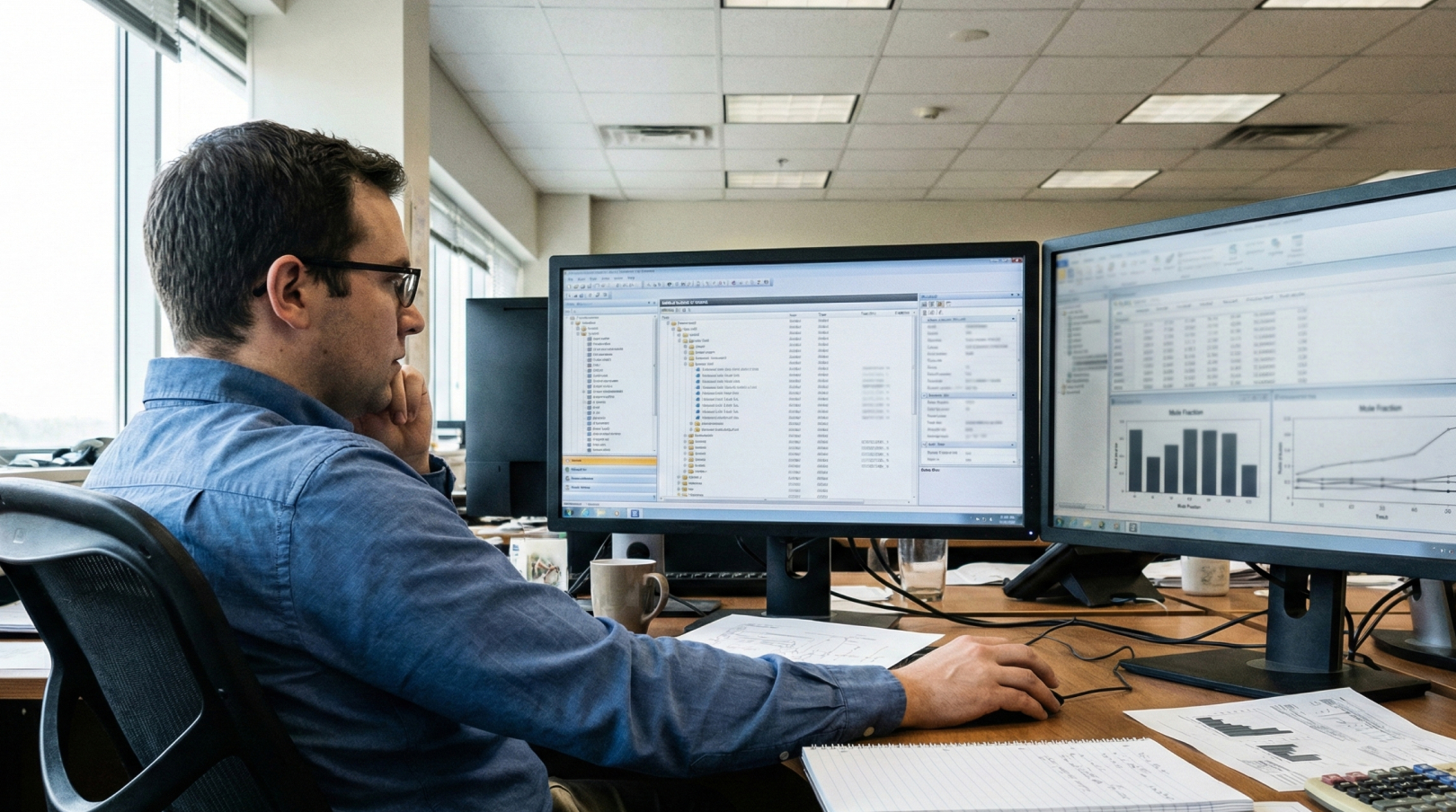
BKOAI leveraged PI AF to feed large datasets into third-party modeling tools. This enables consistent, repeatable calculation of theoretical LNG compositions at scale across changing operating conditions.
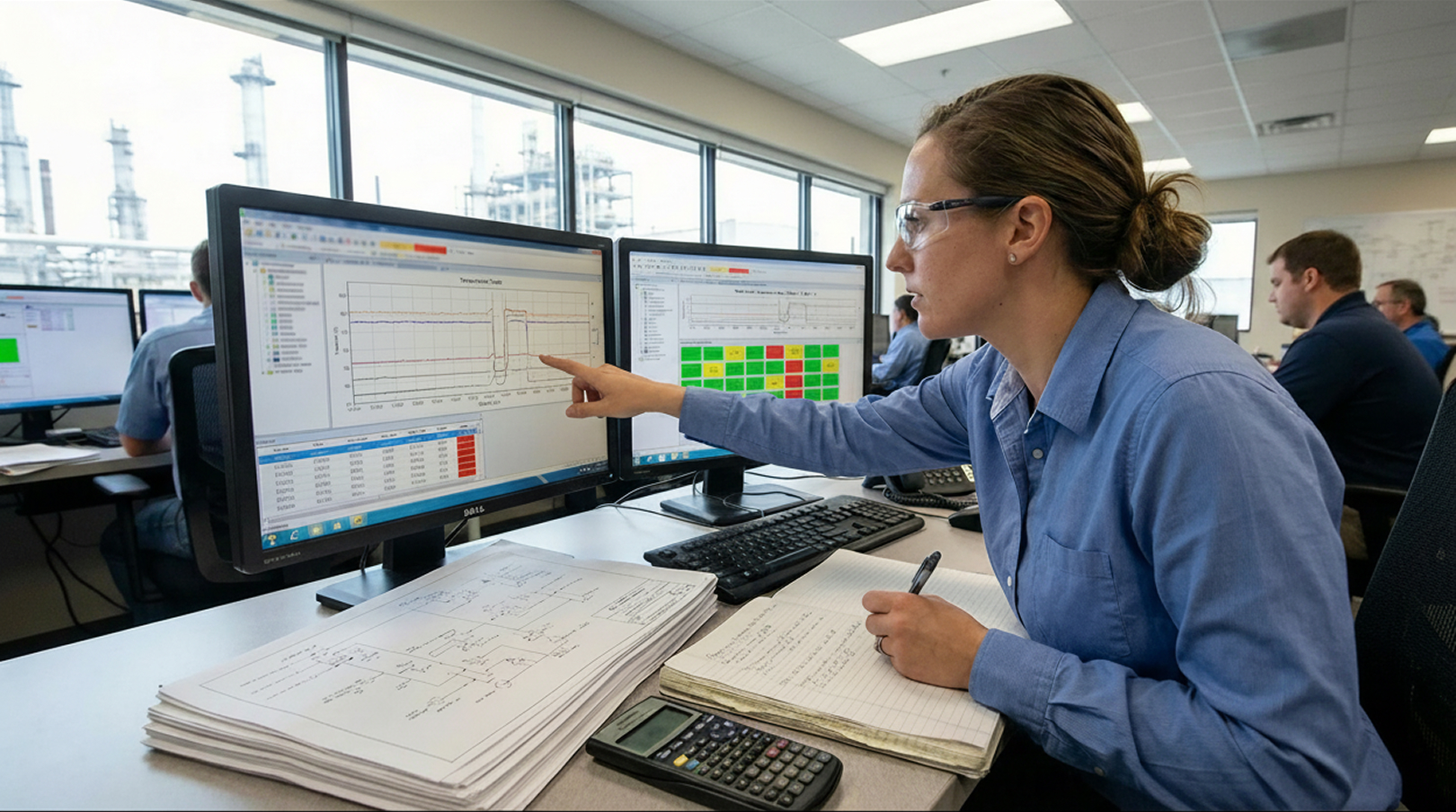
BKOAI created a Seeq dashboard to support cooldown operations by issuing alerts when critical thresholds are approached or crossed, including temperature rate of change, top/bottom temperature differentials, and thermal displacement exceedances. These rapid warnings reduced the chance of missed deviation, helping operators complete cooldown more efficiently while maintaining a safer operating window.

.svg)
.svg)
.svg)
.svg)
.svg)
.svg)
.svg)
